Pages

Monday, September 15, 2014

МОНГОЛ УЛСЫН ЗҮҮН ХОЙД АЗИ ДАХЬ ОРОЛЦОО НӨЛӨӨТЭЙ БОЛЖ БАЙНА

МОНГОЛ УЛСЫН ЗҮҮН ХОЙД АЗИ ДАХЬ ОРОЛЦОО МЭДЭГДЭХҮЙЦ 
НӨЛӨӨТЭЙ БОЛЖ БАЙНА

МОНГОЛЫН ИРЭЭДҮЙ ГЯЛАЛЗАЖ БАЙНА

МОНГОЛЧУУД ДЭЛХИЙД ДИПЛОМАТ ШИНЭ ЖИШИГ ТОГТООВ


1.        Монгол бол газар зүйн өвөрмөц байрлалтай, хойд урдуураа асар том зах зээл бүхий ОХУ, БНХАУ гэсэн хоёр улстай хил залгадаг. Дэлхий глобалчлагдаж байгаа өнөө цаг үед харилцаа, хамтын ажиллагаагаа зөвхөн хоёр хөршөөр хязгаарлах боломжгүй тул "Гуравдагч хөрш"-ийн бодлогыг ч амжилттай хэрэгжүүлж ирсэн.

2.        Сүүлийн 15 жил Монгол Улсын эдийн засаг тогтмол 10 гаруй хувийн өсөлттэй, дэлхийд хамгийн хурдацтай эдийн засаг болж байна. Нэг хүнд ногдох ДНБ 12 дахин, буюу 683 US$ - 8773 US$ болж өссөн байна. 
.
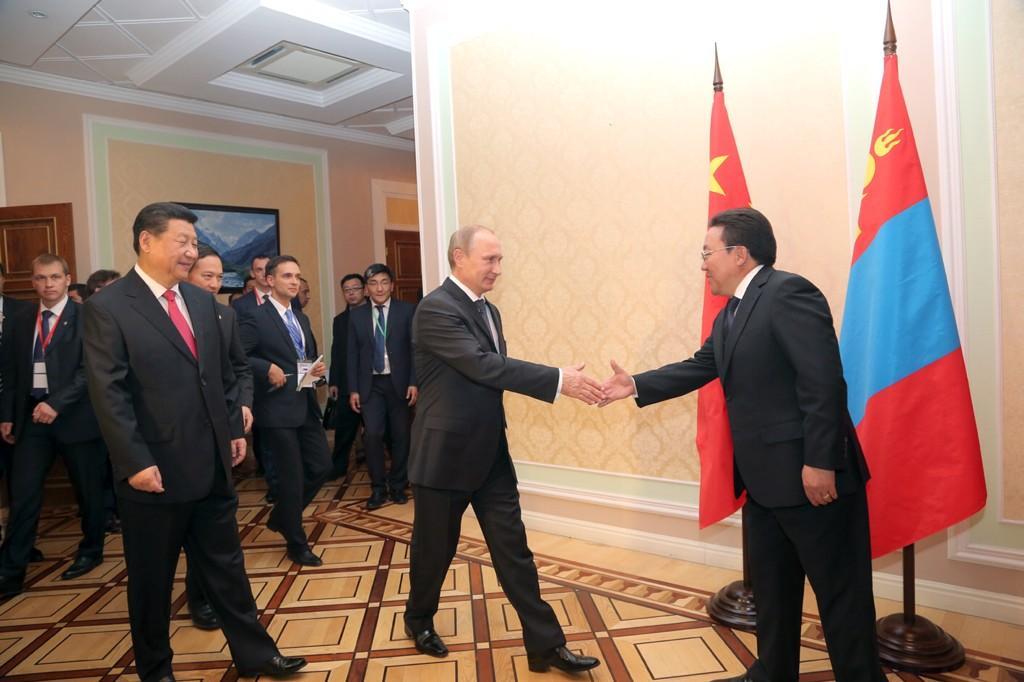
3.        Энэ сард 12 хоногийн зайтайгаар БНХАУ-ын ерөнхийлөгч Ши Жиньпин, ОХУ-ын ерөнхийлөгч В.Путин хоёр Монгол улсад төрийн айлчлал хийв. Энэ айлчлалууд Монгол улсын хувьд тун ч цаг үеэ олсон, ач холбогдол өндөртэй боллоо.

4.        БНХАУ-ын дарга айлчлалын үеэр 24, ОХУ-ын ерөнхийлөгчийн айлчлалын үеэр 18 гэрээ, хэлцэл байгуулж гарын үсэг зурагдлаа.

5.        2014 оны 9 сарын 11-нд Душанбей хотноо Монгол, ОХУ, Хятадын 3 улсын Ерөнхийлөгчийн Дээд хэмжээний уулзалт-яриа хэлэлцээний ULAANBAATAR-SUMMIT үүсгэн байгуулагдаж, Анхны уулзалт амжилттай зохион байгуулагдав.

6.        БНХАУ, Монгол, ОХУ–ыг хамарсан “Эдийн Засгийн Коридор” /хонгил/, “Торгоны Зам“ эдийн засгийн чөлөөт бүс, Европ-Азийг холбосон Төмөр замын Транзит тээврийн сүлжээг 2020 он гэхэд байгуулахаар тохиролцов.

7.        Гурван талын уулзалтаар БНХАУ, ОХУ-ын ерөнхийлөгчид 3 улсын хөгжлийн стратеги харилцан нийцэж байгааг тэмдэглээд, Монгол Улсыг дэлхийн олон улсын хамтын ажиллагааны бүх түвшинд дэмжин ажиллахаа мэдэгдэв.

8.    2014 оны 7 дугаар сард Монгол-Японы Чөлөөт Худалдааны Гэрээг байгуулахаар Монгол Улсын ерөнхийлөгч Ц.Элбэгдорж, Японы Ерөнхий сайд Абэ Шинзо нар  тохиролцон Токио хотноо гарын үсэг зурав. Энэ FTA Чөлөөт худалааны гэрээ нь Монгол, Япон харилцан татваргүй бараа бүтээгдэхүүн экспортлох, өндөр төвшний технологи нэвтрүүлэх юм. Мөн Японы Ерөнхий сайд Абэ Шинзогийн ээж Монгол Улсад БНХАУ-ын дарга Ши Жиньпины яг айлчлах үеэр Монгол Улсын Ерөнхий сайд Н.Алтанхуягтай Засгийн газрын ордонд албан өрөөнд нь уулзалт хийв.

9.        2014 оны 8 сарын 25-26-нд БНСУ-ын Гадаад хэргийн сайд Юн Бён Сэ Монголд айлчлав. Айлчлалаар Монгол Улсын Зүүн Хойд Азийн Аюулгүй байдлыг хангах Монгол Улсын “Улаанбаатарын яриа хэлэлцээ” санаачлага болон БНСУ-ын ерөнхийлөгчийн гаргасан Евро-Азийн хамтын ажиллагаа санаачлагын талаар, мөн Монголын транзит тээврийг хөгжүүлэх асуудлаар хэлэлцээ хийв.

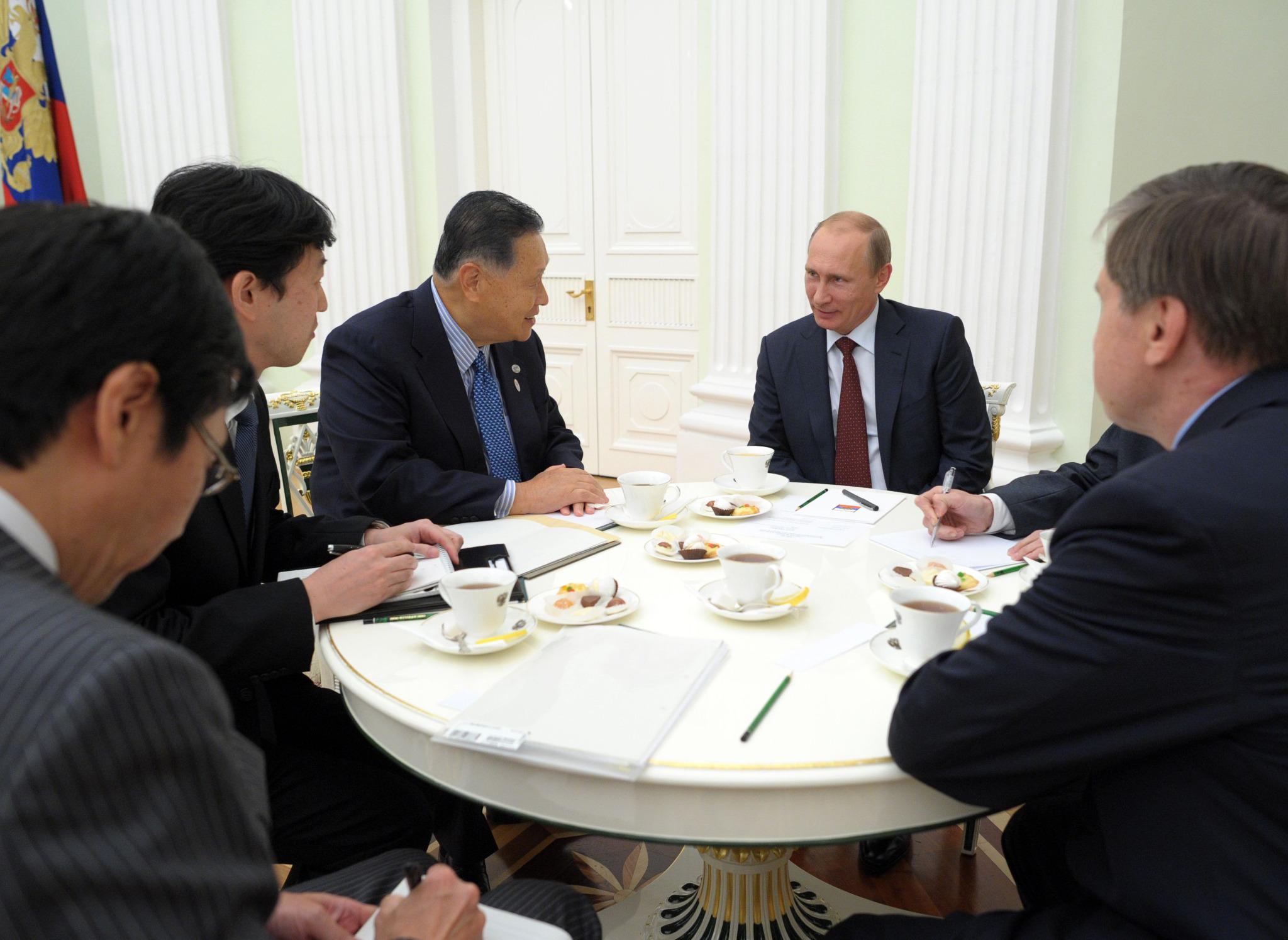
10.     2014 оны 9 сарын 5-д буюу ОХУ-ын Ерөнхийлөгч В.Путины Монголд Халх голын дайны ялалтын 75 жилийн ойд оролцоод буцсаны яг маргааш Японы Ерөнхий сайд асан Нода Монгол Улсад ажлын айлчлал хийв. Мөн яг энэ өдөр Москвад Японы Ерөнхий сайд асан Мори айлчилж, ОХУ-ын ерөнхийлөгч В.Путинтай уулзалт хийн, өглөөний цай уусан байна. 
Embedded image permalink

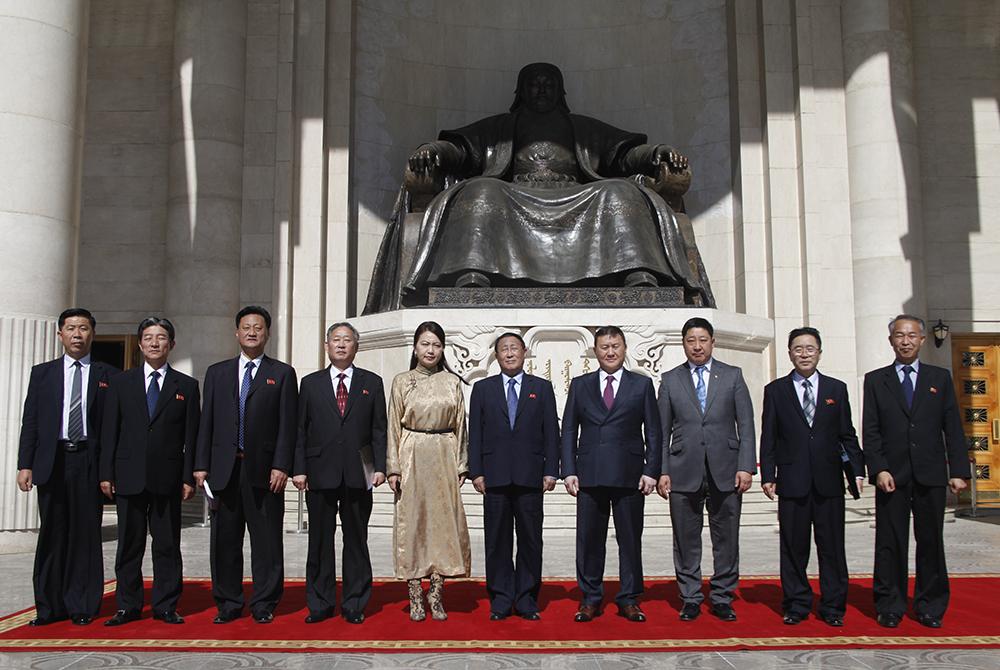
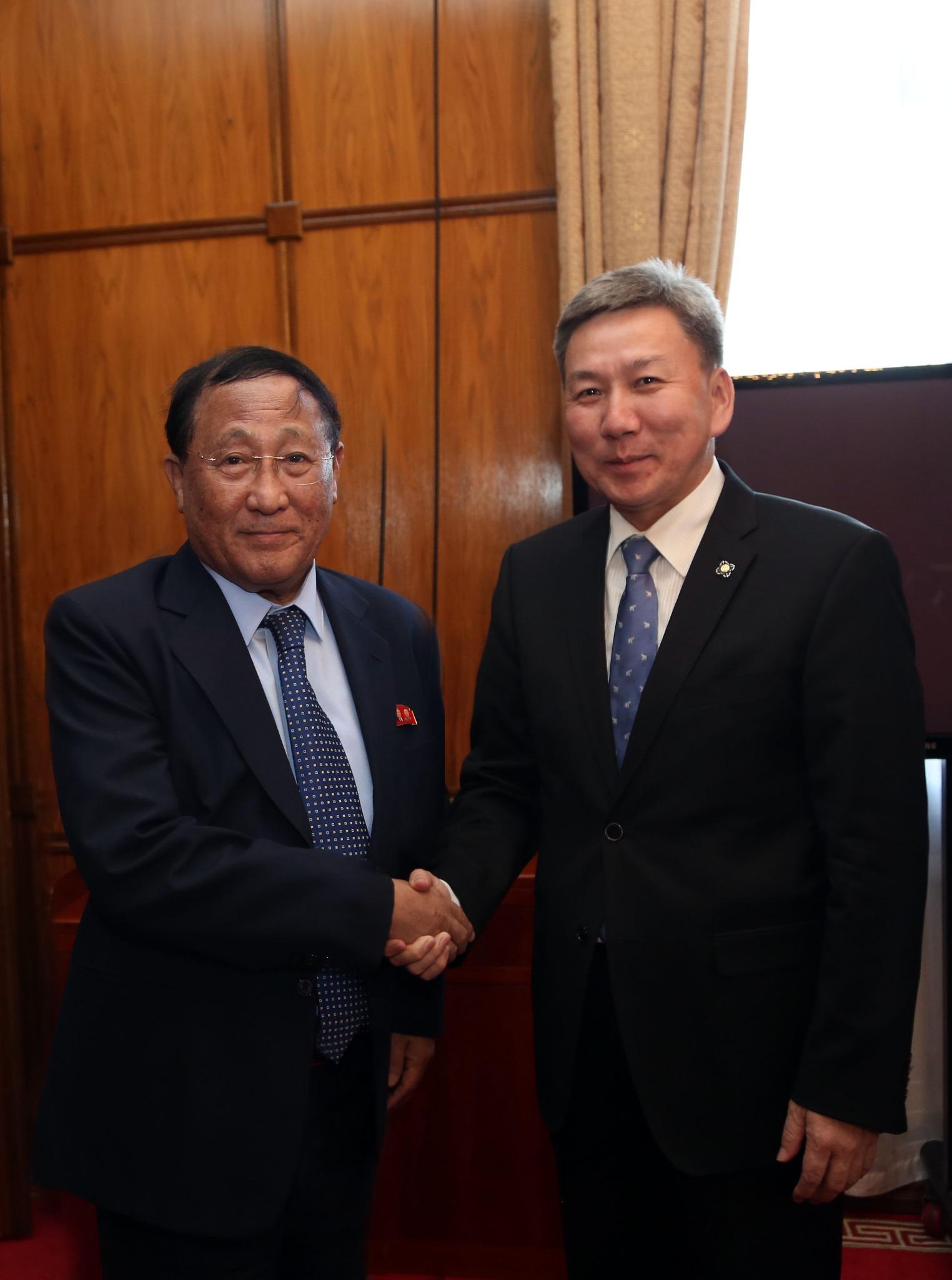
11. 2014 оны 9 сарын 18-20-нд Монгол Улсад БНАрдчилсан Солонгосын дээрээсээ 3 дахь хүн, Хөдөлмөрийн намын Улс төрийн товчооны гишүүн, Намын Төв хорооны Нарийн бичгийн дарга Кан Сөк Жү тэргүүдтэй төлөөлөгчид айлчлав.
Embedded image permalink


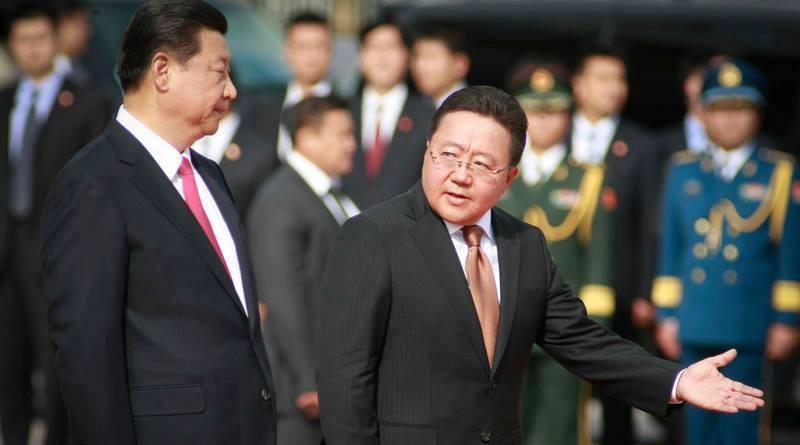
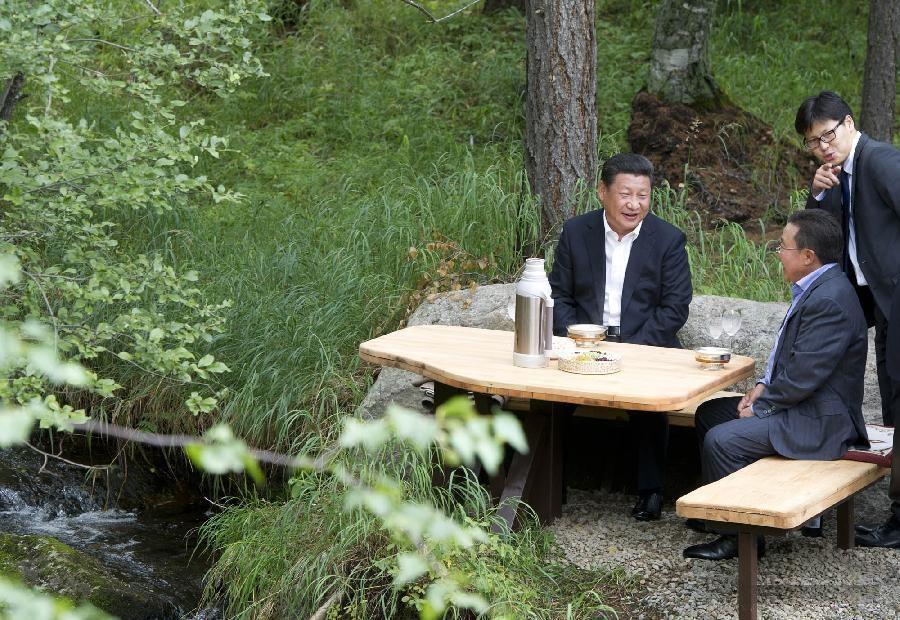
БНХАУ-ын ерөнхийлөгч  Ши Жиньпиний Монгол дахь  айлчлалын үеэр:

Embedded image permalink
Ø  БНХАУ-ын ерөнхийлөгч  Ши Жиньпин Монголд Төрийн айлчлал хийсэн ба хоёр улсын тэргүүн Монгол улс, БНХАУ-ын хооронд иж бүрэн стратегийн түншлэлийн харилцаа хөгжүүлэх тухай хамтарсан тунхаглалд гарын үсэг зурсан. Мөн  24 гэрээ, хэлэлцээр байгуулав.

Ø  Монгол Улс Далайд гарцтай боллоо. Далайд гарцгүй орон бүрийн хамгийн их санаа зовдог асуудлын нэг бол яахын аргагүй дэлхийн ертөнцтэй худалдаа наймаа хийх далайн гарц байдаг билээ. Энэ талаар Монгол, Хятадын холбогдох талууд маш сайн, хурдан ажиллаж тодорхой гэрээнүүд байгуулсан нь айлчлалын үеэр эдийн засгийн хамтын ажиллагааны тухайд хийсэн хамгийн өндөр ач холбогдолтой үйл явдал болов.

Ø  Монгол Улс Хятадын Тяньжинаас гадна зүүн хойд хэсгийн зургаан шинэ боомтыг ашиглахаар болж, Гэрээ байгуулав. Ингэхийн тулд Хятад улсын нутаг дэвсгэр дээгүүр Хятадын дотоодод мөрддөг хөнгөлөлттэй тарифаар дамжин өнгөрөх төмөр замын Транзит тээврийн гэрээ байгуулав.

Ø  Мөн хоёр орны хилийн боомтуудыг нэмэгдүүлж, заримыг нь 24 цагийн ажиллагаатай болгох талаар ажлууд явагдаж байна..Далайн гарц, транзит тээврийн боломж олгосон учир Монгол Улс Хятад хөрш рүүгээ олон улсын царигаар төмөр зам барих, улмаар замд нь задалж, нээхгүй байх нөхцөлөөр ачаа бараагаа гуравдагч орны хэрэглэгчид хүргэх боломж бүрдэх юм. Энэ нь Монгол Улсын экспортын бараа, түүний дотор коксжих нүүрсний үнийг далайн хөлөг онгоцонд ачуулах нөхцөлөөр тогтоож, Монголын өрсөлдөх чадварыг нэмэгдүүлэх боломж бүрдэнэ.

Ø  Монгол Улс, Хятадтай Транзит тээврийн гэрээ байгуулснаар Монголын уул уурхай, хөдөө аж ахуйн бүтээгдэхүүнийг БНСУ, БНАСАУ болон Япон, АНУ зэрэг бусад орнууд руу хямд өртөгөөр экспортлох нэн таатай боломж бүрдлээ.

Ø  Түүнчлэн Хятад руу Монголд үйлдвэрлэсэн бүх төрлийн бүтээгдэхүүнийг 20 жилийн хугацаанд квотын хязгаарлалтгүй, татваргүй нэвтрүүлж байхаар тохиролцон холбогдох гэрээ байгууллаа. Энэ нь Япон, БНСУ болон бусад өндөр хөгжилтэй орнуудын хөрөнгө оруулагчид Монголд Үйлдвэрлэл эрхлэж, бүтээгдхүүнээ асар том зах зээл БНХАУ руу татваргүй, нэн хөнгөлөлтэй нөхцлөөр экспортлох боломж бүрдэж байна. Энэ боломжийг хөрөнгө оруулагчид ашиглах нь зүйтэй байна.
Embedded image permalink
Ø  Олон улсын хамтын ажиллагааны хүрээнд: БНХАУ-ын ерөнхийлөгч Ши Жиньпин Монгол Улсын Зүүн Хойд Азийн Аюулгүй байдлыг хангах Монгол Улсын “Улаанбаатарын яриа хэлэлцээ” нэрт санаачлагыг дэмжиж ажиллахаа мэдэгдэж, тус бүс нутаг, тэр дундаа Хойд Солонгосын зөрчилдөөнт асуудлыг Улаанбаатарын зуучлал оролцоотойгоор шийдвэрлэж байх механизмыг дэмжсэн болно.

Ø  Мөн Монгол, Хятад, ОХУ-ын Ерөнхийлөгчдийн Дээд төвшний уулзалт – яриа хэлэлцээний механизм SUMMIT –ыг тогтмол 3 жил тутам зохион байгуулж байхаар тохиролцов.

Ø  Мөн Хятад, ОХУ, Монгол 3 улсын Гадаад харилцааны яамны Дэд Сайд нарын уулзалтыг жил бүр Улаанбаатар хотод зохион байгуулж байхаар болов.

l  Нүүрсийг хийжүүлж хоолойгоор тээвэрлэх тухай MOU

Ø  Айлчлалын, эдийн засгийн ач холбогдлоороо дараагийн том ажил бол Монголын нүүрсийг хий болгон тээвэрлэх тухай санамж бичиг юм. Монголын Таван толгойн ордын хүрэн нүүрсийг хийжүүлж, хоолой татан Бээжинг, бага хэсгээр нь Улаанбаатарыг хангах нь хоёр улсын нийслэлийн агаарын бохирдлыг арилгахад жинтэй хувь нэмэр болох юм.
Ø  Уг төсөл нь Монгол Улсад химийн үйлдвэрлэлийн суурийг тавих чухал үүрэгтэй ба нийт өртөг нь 30 тэрбум доллар буюу манай өнөөгийн эдийн засгаас гурав дахин том төсөл юм.
Ø  Монголоос Хятад руу 20 жилийн хугацаанд 1 тэрбум гаруй тонн эрчим хүчний нүүрс экспортлохоор тохирсон тохиролцоог дахин баталгаажуулав.
Ø  Мөн ОХУ, Хятад, Монголын “Эрчим Хүчний Клуб”-ын хүрээнд Монгол Улсаас Хятад руу урт хугацаанд Эрчим хүч экспортлох гэрээ байгуулав. Энэ нь Монгол Улсын эдийн засгийн багтаамжийг хэдэн арав дахин томруулах боломж олгоно.
Ø  Мөн БНХАУ-ын ерөнхийлөгч  Ши Жиньпиний санаачлаад байгаа Дэлхийн Торгоны зам Эдийн засгийн бүс байгуулах асар том төслөө Монгол Улсаар дайруулахаар тохиролцов.
Ø  БНХАУ, Монгол ОХУ–ыг хамарсан “Эдийн Засгийн Коридор” /хонгил/ байгуулахаар тохиролцов.Embedded image permalink
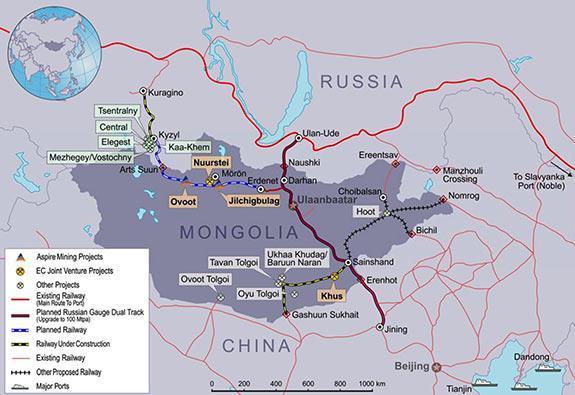
Ø  ОХУ-аас Хятад руу татаж буй Байгалийн хийн баруун хэсгийн хоолойг Монголын нутгаар дайруулах асуудлыг судлаж  үзэхээр болов.

Ø  БНХАУ, Монгол Улсын Төв Банкуудын хооронд үндэсний мөнгө тэмдэгтийн Своп хэлэлцээр байгуулж тус улсын мөнгөн тэмдэгтүүд харилцан чөлөөтэй гүйлгээнд ашиглах боломжтой болов.

Ø  Монгол Улсыг ASEAN, APEC Asia-Pacific Economic Cooperation-
 –т гишүүнээр элсэхийг Хятад улс, ОХУ дэмжихээр болов.
Ø  Монгол, Хятадын жилийн худалдааны хэмжээг нэмэгдүүлж 10 тэрбум долларын хэмжээнд хүргэхээр тохиролцов.


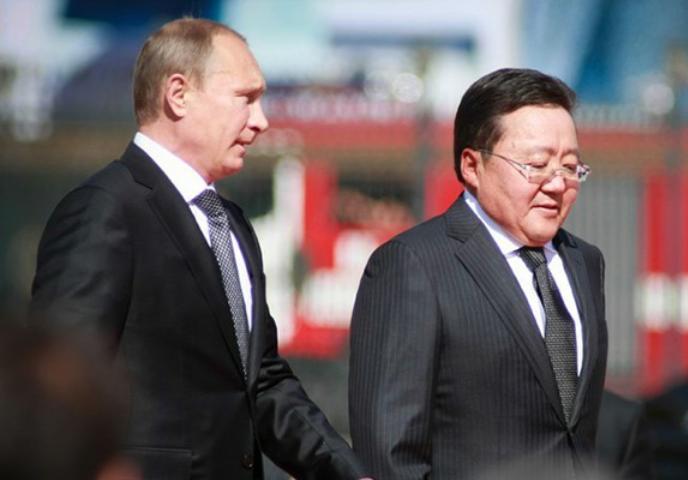
ОХУ-ын ерөнхийлөгч В.В. Путины Монгол дахь  айлчлалын үеэр:


Embedded image permalink

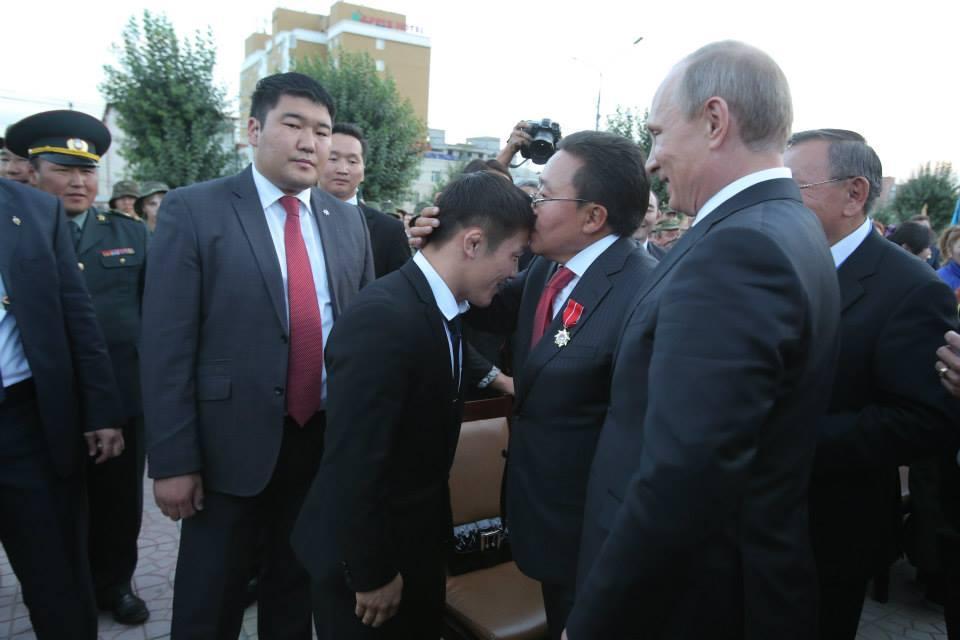
Ø  ОХУ-ын Ерөнхийлөгч В.В.Путин Монгол Улсад Орос, Монголын арми Японы түргэмгийлэгчдийг ялсан Халхын голын дайны ялалтын 75 жилийн ойн хүрээнд айлчлан ирсэн.

Ø  ОХУ-ын Ерөнхийлөгч В.В.Путин Монгол Улсад айлчлахдаа өндөр ач холбогдол өгч ОХУ-ын Засгийн газрын 9 сайд, 3 дэд сайдын бүрэлдэхүүнтэй ирж, холбогдох 18 гэрээ, хэлэлцээр Монголын талтай байгуулав.

Ø  ОХУ, Монгол хоёр орны иргэд харилцан визгүй зорчих тухай шийдэгдэж 30 хүртэлх хоногоор визгүйгээр харилцан зорчих боломжтой боллоо.

Ø  Монголын төмөр замыг цахилгаанжуулах, хос болгох ажлыг цаг алдалгүй эхлүүлж энэ ажлыг 2020 он гэхэд дуусгахаар тохиролцлоо.

Ø  Ази – Европыг холбосон шинэ төмөр зам барьж, транзит тээврийн сүлжээг байгуулахыг судлаж, ойрын хугацаанд шийдвэрлэхээр болов.

Ø  Хятадын талын дэвшүүлсэн “Торгоны зам”, Монголын талын “Талын Зам” эдийн засгийн чөлөөт бүс, ОХУ-ын “Алс дорнодын байгалийн хийн хоолой, төмөр замыг хөгжүүлэх” төслүүдийг нэгтгэж 3 улсыг хамарсан Ази-Европ руу гарах “Эдийн засгийн Коридор” байгуулахыг дэмжиж байгаагаа илэрхийлэв.
Embedded image permalink

Ø  Хоёр улсын хил гаалийн үйлчилгээг түргэн  шуурхай, чирэгдэлгүй үзүүлж, хоёр талын боомт гарцыг шинэчилж, заримынх статусыг олон улсын зэрэглэлд хүргэх талаар тохиролцов.

Ø  Монголын талд Оросын нутгаар дамуин далайд гарах Алс дорнодын боомтуудыг ашиглуулах талаар гэрээ байгуулахаар тохиролцов.

Ø  ОХУ, Монголын худалдааны эргэлтийг 10 тэрбумд хүргэхээр тохиролцов.

Ø  Монголын хөдөө аж ахуйн бүтээгдэхүүнийг ОХУ руу нэн хөнгөлөлттэй нөхцлөөр экспортлох талаар хоёр талын Засгийн газрууд ажлын хэсэг байгуулан ажиллахаар болов.
Ø  ОХУ Монгол дахь хөрнгө оруулалтаа нэмэгдүүлж Хамтарсан олон шинэ үйлдвэрүүд, үйлдвэрийн цогцолбор байгжлах талаар үе шаттай ажиллахаа мэдэгдэв.

Ø  Мөн УБТЗ-ын шинэчлэл, хөгжлийн стратегийн түншлэлийн хэлэлцээр байгуулагдаж төмөр замын салбарын шинэчлэл, бүтээн байгуулалт, тээвэрлэлтийг нэмэгдлүүлэх зэрэг хамтын ажиллагааны гол зарчмуудаа тохиролцов.

Ø  ОХУ-аас Хятад руу Цахилгаан эрчим хүч дамжуулах шугамыг Монголын нутаг дэвсгэрээр дамжуулахаар тохиролцов.

Ø  Хүрээлэн байгаа орчныг хамгаалах, эрүүлийг хамгаалах, хөдөө аж ахуй болон байгаль орчны зэрэг чиглэлд хамтран ажиллах төслийг боловсруулахаар болов

Ø  Төв болон Зүүн Хойд Азид тогтвортой байдал бэхжүүлэхийн төлөө Монгол, ОХУ, Хятад 3 улс хамтран ажиллах Ерөнхийлөгчдийн дээд хэмжээний уулзалт-яриа хэлэлцээний механизмыг жил тутам тогтмол зохион байгуулахаар тохиролцов.

Ø  Мөн Хятад, ОХУ, Монгол 3 улсын Гадаад харилцааны яамны Дэд Сайд нарын уулзалтыг жил бүр Улаанбаатар хотод зохион байгуулж байхаар болов.

Ø  Монгол Улсын Зүүн Хойд Азийн Аюулгүй байдлыг хангах Монгол Улсын “Улаанбаатарын яриа хэлэлцээ” нэрт зуучлал-санаачлагыг ОХУ дэмжиж ажиллахаа мэдэгдэв.


Эдгээр айлчлалын тухай хэвлэл мэдээллийн хэрэгсэлүүд дэлхий даяар маш өргөн мэдээллээ. Түүхэн айлчлалууд, болон Хятад, ОХУ, Монгол 3 Улсын Дээд хэмжээний уулзалт үеэр хоёр улс эдийн засаг, улс төрийн хамтын ажиллагааны арваад гэрээ, түүнээс олон санамж бичигт гарын үсэг зурсан бөгөөд хэрэв тохиролцсон бүхнээ хэрэгжүүлж чадвал Монгол улсын эдийн засгийн хөгжилд томоохон үсрэлт авчрах нь дамжиггүй.

Нөгөөт талаас Монгол Улс нь хүн ам цөөн зах зээл бага ч Хятад, ОХУ хоёр хөрш рүүгээ нэн таатаай худалдааны нөхцөлтэй болж байгаа нь Монголд хөрөнгө оруулалт нэмэгдэх, үйлдвэрлэл хөгжих суурь дэвсгэр болох болно.
Embedded image permalink
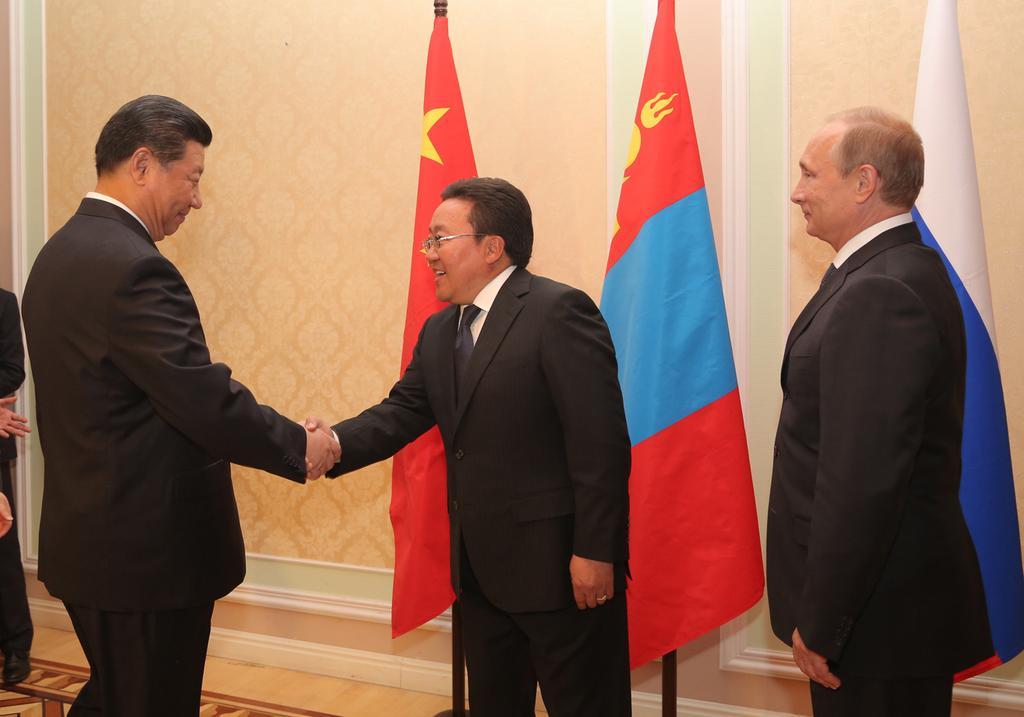
Монгол, ОХУ, Хятадын 3 улсын Ерөнхийлөгчийн Дээд хэмжээний уулзалт-яриа хэлцээний ULAANBAATAR-SUMMIT үүсгэн байгуулагдаж, 3 жил тутам зохион байгуулагдах, 3 жлсын Гадаад харилцааны дэд сайд нарын уулзалт жил тутам зохион байгуулагдахаар болсон нь Монгол Улсын Аюулгүй байдлын том баталгаа болсноор барахгүй, Дэлхий, бүс нутгийн хэмжээнд Дипломат том Жишиг тогтоож чадлаа. 
Embedded image permalink
Гурван талын уулзалтаар БНХАУ, ОХУ-ын ерөнхийлөгчид  Монгол Улсыг дэлхийн олон улсын хамтын ажиллагааны бүх түвшинд дэмжин ажиллахаа мэдэгдсэн нь Монгол Улсын Хөрөнгө оруулалтын Таатай орчны том баталгаа болж байна.
Embedded image permalink
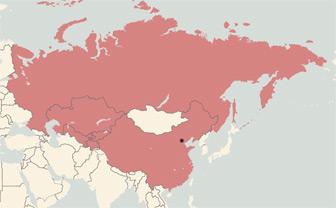
Мөн Зүүн Хойд Азийн Аюулгүй байдлыг хангахад Монгол Улсын оролцоо нэн өндөр болох нь тодорхой болж, бүс нутагт гүйцэтгэх үүрэг эрс нэмэгдэж байгаа нь өнгөрсөн 20 гаруй хоногийн хугацаанд Зүүн Хойд Азийн бүх орнуудын удирдагчид Монгол Улсад албан ёсоор айлчилсан нь харуулж байна. Эдгээр уулзалт яриа хэлэлцээний голлох сэдвийн нэг нь Монгол Улсын санаачлаад байгаа Зүүн хойд азийн аюулгүй байдлын "УЛААНБААТАРЫН ЯРИА ХЭЛЭЛЦЭЭ" санаачлагын талаар тогтож ярилцсан байна. 

Иймд улс төрийн болоод нийгэм эдийн засгийн хувьд тогтвортой, бүс нутгийн хамтын ажииллагааны хүрээнд хөрөнгө оруулалтын хамгийн таатай орчинтой, хоср хөрш рүүгээ нэн таатай нөхцлөөр бүтээгдэхүүн экспортлох, транзит тээврийн хөнгөлөлттэй нөхцөлтэй гэрээ хэлцэл байгуулж чадсан Монгол Улсад хөрөнгө оруулагчид зохих түвшинд байр сууриа бэхжүүлэх нь зүйтэй байна. 


Ш.Үнэнтөгс 


최근 뉴스 하이라잇


1.      몽골은 독특한 지리적 위치를 가지며, -남 쪽에 러시아와 중국과 국경선을 접해 있다.세계화 시대에 두 이웃 나라만으로 제한될 수는 없어 세번째 이웃 정책을 지속적으로 구축해왔다.


2.      최근 15년간 몽골 경제 성장률이 10% 이상을 기록해 세계


3.      7일 간격으로Xi Jinping 중국 국가주석, V.Putin 러시아 대통령이 몽골에 국방을 하였다.이번 방문들은 중요하고 가치 깊은 국방이었다.


4.      중국 국가주석 방문 때 24, 러시아 대통령 방문 때 18개의 문서에 서명하여 관련 계약서를 체결하였다.


5.      2014911일에 두샨배에 역사적인 몽--3국 정상회담을 갖고 울란바타르-회담이 시작되어 첫째 회담이 성공적으로 개최되었다.


6.      중국,몽골,러시아 3국 경제 발전전략, ‘실크로드 경제지대’, 유럽과 아시를 연결하는 트랜스시베리아  철도 통과운송망에 대하여 논의하여 2020년까지 해결하기로 협정하였다.


7.      ..러 정상은 3국 정상회담의 필요성을 언급하고, 바람직한 미래협력 메카니즘이 구성되었음을 강조하였으며, 몽골의국제 혐력 모든 수준에서 지지할 것임을 언급하였다.


8.      20147월에 몽골-일본FTA 체결을 협정하여 몽골 대통령 Ts. Elbegdorj, 일본 총리 아베 신조 도코에 서명하였다.이에 성과로 양국간 관셰 인하 부터 면제까지 이룰 가능성 있고 고수준 기술을 교환할 수 있게 될 것이다.


9.      2014825~26일간 윤병세 대한민국 외교장관이몽골을 공식 방문했다. 대한민국박근혜 대통령이 제안한 ‘유라시아 이니셔티브’ 및 동북아시아 원자력 안전협의체, 또한 관련 철도, 해운 분야 협력에 대하여 논의하였다.


10.   201495일에 일본 전 총리 Noda 몽골을 방문하였다.


Xi Jinping중국 국가주석  방문:


Ø  Xi Jinping 중국 구가주석이 몽골을 국빈 방문하여 양국 포괄적 전략 동반자 관계를 위한 공돈 선언문에 서명하였다.


Ø  몽골에 해양 항구가 생기다.육지에 둘러싸인 나라의 고민으로 꼽히는 문제 중 하나는 세계를 나가 무역을 할 수 있는 항구 문제이다.이에 관하여 몽골과 중국은 협력하기로 하여 관련 문건에 서명을 한 것이 경제적 협력으로 매우 중요한 일이었다.


Ø  몽골은 중국의 톈진이 포함해 항구 4개를 이용 할 수 있게 되었다.이는 중국 영토를 통해 중국내에 적용되는 할인 요금으로 통과수송할 수 있게 된 것이다.


Ø  또한,-중 국경휭단 지점 수를 늘리고 24시간 운영 지점을 설립하기로 관련 작업이 준비하고 있다.해양 항구를 사용할 수 있게 되었으니 중국까지 표준 궤간 철도를 부설하여 몽골 제품의 3번째 국가 고객에게 배송이 가능해졌다.이 덕분에 몽골 수출품 품목이 느러나 몽골의 경쟁력을 높이는 데에 기여될 것으로 기대된다.


Ø  몽골 중국과 통과수송 협정을 하여 몽골의 광산물,농산물을대한민국,조선민주주의인민공화국, 일본,미국등많은국가에저렴한운송비용으로수출할수있는기회가생겼다.


Ø  또한,몽골산물품을20년간중국에활당제한없이관세면제조건으로통과할수있도록협정하여관련문서에서명하였다.이는대한민국등외국투자자들이몽골에진출하여생산물을중국에저렵한비용으로수출할수있는좋은환경이준비되었다.


Ø  국제협력 관련:시주석은몽골측이제안한 '동북아 안보를 위한 울란바타르 대화 체제'를 지지한다고 밝혔다. 몽골 측이 제안한 중국, 몽골, 러시아 간의 3국 정상회담과 이를 통한 3국 간 협력도 지지한다고 밝혔다.


Ø  3국정상회담을 제얀하여 3년마다개최키로하였다.


Ø  또한 몽. .3국외교부차관급회담을매년개최하기로하였다.


l  석탄 가스화 및 통과수송에 대한 문건


Ø  이번 방문으로 양국이 협력하기로 한 중요한 결정 중에 몽골 석탄의 가스화 및 통과수송에 관한 문건 들어간다.몽골타반톨고이관산의석탄을가스화하고가스관설치하여베이징,울라바타르에공급하게되면2 도시대기오염문제에도큰도움되리라기대하고있다.


Ø  이 프로젝트는 몽골의 최초의 화학 공장의 기반이 되며 총 300억달려규모로현재몽골경제규모의3배가된다.


Ø  몽골이향후 20년간중국에석탄 10억톤을수출하기로한것을다시한번확보하였다.


Ø  또한,..3국의에너지클럽의범위내몽골에서대중국장기에너지수출조약을체결하였다.이를통해몽골경제규모를늘릴수있는기회가생긴다.


Ø  중국 국자주석이 발의한 실크로드경제지대를관련하여이의몽골영토통과에관하여논의하였다.


Ø  ..3 '경제회랑'(economic corridor)조성키로하였다.


Ø  러시아 중국설치될‘서부라인 천연가스관’의 몽골 경유에 관한 검토를 하기로 하였다.


Ø  몽골은행과 중국인민은행간통화스왑 계약을 체결하여 양국간 결제가 더욱 편리해졌다.


Ø  중국이 몽골의 APEC, ASEAN 회원국가입을지지하고있다고표면하였다.


Ø  몽골과 중국은 양국간 무역규모를 늘려 100억 달러에 이르도록 목표를 잡았다.


 Putin러시아 대툥령 방문:


Ø  Putin 대통령의 금번 방몽은 대통령으로서 2번째 방문이며, Khalkin Gol 승전 75주년  기념으로 방문하였다.


Ø  Putin 대통령의 이번 방문단에 장관 9명과 3명의 부장관이 동행하여 10개의 관련 문서에 서명한 것이 중요한 방문이없음을 시사하고 있다.


Ø  양측은상호 무사증 방문 협정하여30일까지 무사증 방문이 가능해졌다.


Ø  철도 분야 개선 및 철도 전망할 ‘울란바타르철도(UBTZ)’ 개선 및 발전 전략파트너십에 관한 몽골 도로교통부와 러시아철도회사 간 협정이 체결되었음을 강조하고 싶다. 동 협정 체결에 따라, 몽골은 2020년 복선 철도를 보유하게 되며, 양측은 철도 통과수송 문제를 가까운 시일 내 해결하기로 했다. 몽골 철도의 전기화와 복선화 사업을 지체 없이 개시하여, 동 사업을 2020년까지 완료하기로 합의하였다.


Ø  아시아 유럽연결철도부설,통과운송망구축을위한컴토를실시하여빠른시일내결정하도록하였다.


Ø  중국측이 발의한 실크로드경제지대”, 몽골측이발의한초원로경제자유지대,러시아의천연가스관, 철도개발프로젝트를연계하여중.. 3국간경제화랑조성을지지한다고표면하였다.


Ø  양국간 국경통과 서비스 향상, 시설 개설을 하여, 국제급으로 개선에 관하여 논의하여 협력하기로 하였다.


Ø  몽골에서 러시아 영토를 통과하여 항구 이용 가능성에 관하여 컴토를 하고 관련 조약을 체결하기로 합의하였다.


Ø  양국간 무역 조건을 완화하고, 양국간 무역 규모를 2020년까지 100억 달러로 증대시키기로 논의하였다.


Ø  몽골 농산물을 러시아에 수출 할인 요금에 관하여 양국 전문가들이 컴토하기로 하였다.


Ø  러시아는 대몽골 투자를 증가하여 양국 협력 공장,산업단지설립을위한관련컴토를하여단계적으로협력키로하였다.


Ø  또한, 울란바타르철도(UBTZ) 쇄신및발전전략동반자협정체결을통한철도분야쇄신건설수송량증대등의주요협력원칙을합의할수있었다.


Ø  러시아서 중국에 전력공급을 몽골 영토로 통과하도록 논의하였다.


Ø  환경보호, 건강보호, 농업 및 자연환경 등의 분야 협력 사업 수립에 대한 컴토를 하기로 하였다.


Ø  3국 정상 회담을 정례적으로 개최하여 협력하기로 논의하였다.


Ø  또한 몽. . 3국 외교부 차관급 회담을 매년 개최하기로 하였다.


Ø  몽골측이 발의한 '동북아 안보를 위한 울란바타르 대화 체제'를 지지한다고 밝혔다.


러시아와 중국의 정상의 몽골 국빈 방문에 대하여 국제적으로 보도되었다.금번방문,역사적3국정상회담을통해양국협력을위한많은문건에서명하였고이를현실적으로실시하게되면몽골경제개발이새로운단계로올라갈수있을것이다.


한편으로, 몽골은 인구 적고,작은시장이기는하지만러시아와중국과무역조건이완화되어몽골투자증가및산업개발에큰영향을미친다.


..3국정상회담에중.러정상이몽골의국제적협력을모든면에서지지할것임을표면한것이몽골의호혜적인투자환경을증명하고있다.또한,동북아시아지역보안에대한몽골의참여가커지고동지역에역할이늘고있어대한민국투자자들이몽골에자리를보장하는것이바람직하다.


우넹툭스 변호사


2014.09.16

Thursday, September 11, 2014

Blending Mongolian coal: Agreement signed to develop Mongolian railway


Agreement signed to develop Mongolian railway


The Mongolian Ministry of Roads and Transportation has signed an agreement with JSC Russian Railways to modernise and extend Mongolia’s rail network.
The agreements were signed during a weeks visit to Mongolia by Russian President, Vladimir Putin.
Along with modernising and expanding the operations and capabilities of Ulaanbaatar Railways, it was also agreed to investigate the expansion of railway in northern Mongolia from Erdenet past Aspire Mining’s Ovoot coal project to the Russian border at Arts Suuri.
Russia and Mongolia are hoping to improve Russian transit freight to China through Mongolia’s rail network – increasing it from a relatively nominal amount at present to 20 million tpa by 2020.


The priority in modernising and expanding the railway is to develop the dual tracking of the main trans-Mongolian railway, which will increase rail capacity to 100 million tpa. The two parties will also examine the feasibility of electrifying this line.
Aspire Mining noted that the agreement could have significant implications for its Ovoot metallurgical coal project – linking the mine into the Russian rail system to encourage transit freight from Russia.
Aspire’s managing director, David Paull, said “Aspire and our subsidiary, Northern Railways, welcomes this important new rail agreement between Russia and Mongolia that explicitly recognizes the Ovoot coking coal project as a key user of this new rail transit corridor. This agreement officially puts rail in the north of Mongolia on the map.”
“Northern Railways continues to be in close contact with UBTZ with regards to working together through the next steps and a joint development of the Erdenet to Ovoot (Northern Rail Line) section,” Paull added.


Joint venture to construct Sino-Mongolian railway


Chinese state-owned mining group Shenhua, which operates 1765 km of coal railway in China, has signed a joint venture agreement to develop a cross-border rail link to serve the Tavan Tolgoi coalfield in the South Gobi region of Mongolia.

Mongolian firms

Under an agreement signed in Ulaanbaatar on 7 April 2014, Shenhua will hold a 49% interest in a joint venture being formed to progress the project. A consortium of Mongolian firms, including Erdenes Tavan Tolgoi, Energy Resources LLC and Tavan Tolgoi, will hold the remaining 51% stake.
Gashuunsukhait Railway Company will invest in the construction of a railway project at the Sino-Mongolian border crossing, which will be a standard gauge (1435 mm) cross-boundary cargo transportation railway with approximately 20 km in length connecting the Gashuunsukhait boundary control point in Mongolia and the Ganqimaodu boundary control point in China.

Reduce transport costs

The construction of the Sino-Mongolian Border Crossing Railway will help reducing transportation costs and promoting Sino-Mongolian coal trading.
Shenhua Baoshen Railway Company Limited, a Shenhua subsidiary, will be responsible for the operation, transportation and maintenance of the Sino-Mongolian border crossing railway in accordance with the operation and maintenance contract.


Rail funding will unlock Mongolian coal potential


Aspire Mining’s Ovoot coking coal project looks set to take a major step forward after the company received several non-binding Expressions of Interest (EOI) totalling US$ 1.3 billion for financing of the Northern Rail Line in Mongolia.

Capital expenditure

The US$ 1.3 billion total equates to the capital expenditure estimate for the Northern Rail Line as highlighted in the Rail Pre-Feasibility Study completed by SMEC International in April 2013.

Rail concession

Aspire Mining sourced the EOIs from a number of financial institutions and the Noble Group, as part of its ongoing discussions with the government of Mongolia in relation to the grant of a rail concession. Although the EOIs are non-binding, they indicate a broad interest to fund the Northern Rail Line.

Northern Rail Line

The Northern Rail Line project is the focus of Northern Railways LLC, Aspire’s Mongolian infrastructure subsidiary that seeks to extend the Trans-Mongolian Railway from its current terminus at Erdenet through to the Ovoot coking coal project.

Export opportunities

The rail line will be multiuse, providing an alternative, cheaper and environmentally friendly transport solution for agricultural products, general freight, bulk materials and passengers. The operation of the Northern Rail Line will assist the sustainable long-term growth of local industry and the economy through the creation of jobs, resource and small-medium business development, and export opportunities.


Mongolian coal railway proved to be viable, with cost savings identified


As Aspire Mining’s Ovoot metallurgical coal project in Mongolia makes strides toward commercialisation, the company has received a boost following a field inspection of its planned Northern Rail Line.
The company is looking to extend the existing Trans-Mongolian railway, which currently spans approximately 406 km from Erdenet to Moron, by a further 222 km. The rail line would connect the Ovoot coal project with Erdenet.
The field inspection focused on the constructability of the rail extension from the point of view of construction logistics, geotechnical, hydrology, environmental, river crossings and railway operations.
The report from the field inspection confirmed that the project is viable from an engineering and railway operational aspect, as well as identifying potential cost savings.
The reduced capital cost could support further infrastructure development for the Ovoot project.

Field inspection


Key findings from the field inspection included:

  • The logging of 14 potential quarry sites for ballast across the 547 km alignment. The spacing of these potential quarry sites is such that distances from the rail line are no more than 30 km.
  • The length of rail line that could potentially be affected by permafrost conditions is 139 km, which is substantially less than the 200 km previously assumed. No frozen ground conditions were encountered during the field visit.
  • The field visit identified 12 locations where changing the alignment of the line slightly should result in the reduction of three large bridge structures, reduce the length of a number of large bridges, avoiding swampy ground and route around a congested industrial zone of Erdenet city, where the Northern Rail Line will connect and rail yards will need to be constructed.

During the inspection, the field team “encountered nothing that would prevent the railway from being built, nor anything that would add to the estimated cost,” the company said.
It was also noted that “permafrost, while still a potential hazard, appears to be receding and will probably prove to be not as significant an issue as anticipated and budgeted for.”

Viable project


Aspire’s managing director, David Paull, commented that “This study further confirms the Northern Railways Erdenet to Ovoot rail project as a viable and efficient solution to bring Ovoot metallurgical coal, and other resource and agricultural products from northern Mongolia to world markets. The company continues to engage with the Government of Mongolia in its evaluation of the benefits of this rail project to the country.”
A revision to the original rail pre-feasibility study identified a lower US$ 1.3 billion capital expenditure for the northern rail line. This figure represents US$ 200 million in savings, without taking into account likely operating costs.
Aspire’s project has the potential to export coal to Eastern Europe, Russia, and also China. The reduced cost for the northern rail line will support the company’s claim it has the potential to be a competitive coal export company to these regions.
Last week, Aspire signed off-take agreements for coal sale export contracts with a company in Russia. In the agreement, 5000 tpm of coal would be exported via rail to Russia.


Mongolian coal bound for Europe


Aspire Mining Ltd has signed a non-binding Memorandum of Understanding (MOU) with the operator of Taman port, enabling metallurgical coal from its Mongolian Ovoot project to access the Black Sea, and from there be exported to Eastern Europe.
A further non-binding MOU has been signed between Aspire and the terminal operator of the Nakhodka Port on the eastern coast of Russia, providing options to export the coal to north Asian markets.

Europe


The coal terminal at the Black Sea port of Taman is currently under construction, and is expected to be completed in 2015. The Taman port is designed to accommodate capsize vessels, which can travel to destinations either bordering the Black Sea or Europe, allowing Ovoot coal to be delivered to steel industries in Turkey, eastern and southern Europe.
The Ovoot metallurgical coal project is scheduled for commissioning in 2017, with Aspire hoping to produce 10 million tpa of metallurgical coal from 2020.
The MOU between Aspire and the Taman port operator will run for a term of five years, commencing from the first delivery of Ovoot coal. The port will handle volumes of up to 2 million tpa of Ovoot coal.

North Asia


The non-binding MOU between Aspire and Nakhodka compliments an MOU that Aspire entered into in January 2013 with Noble Group, which provided a way for Aspire to access Noble’s recently acquired interest in the Nakhoda port.
Access to the port on Russia’s east coast allows Aspire to export coal from its Ovoot project to north Asian markets, including Japan, Korea, Taiwan, Vietnam and southern China.

Geographical diversity


Aspire’s managing director, David Paull, said of the MOUs that they “Are important in outlining the company’s strategy for geographically diversifying the customer base for the Ovoot coal project. There is now an identified path for Ovoot project coal from Northern Mongolia to penetrate European markets. The agreement with the Russian coal terminal operator along with the previously disclosed Noble Agreement now provides for sufficient volume and flexibility in meeting the Ovoot project’s Far East Russian port needs in delivering metallurgical coal into North Asia’s seaborne markets.”
Ovoot is the second largest coal reserve in Mongolia, with an estimated total of 184 million t of metallurgical coal available over a mine life of 20 years.


Mongolian coal will be exported to Russia


Prophecy Coal has announced it has entered into two binding coal sale export contracts with a company in Russia, for the sale of coal sourced from the company’s Ulaan Ovoo mine.
The buyer is thought to be based in Russia’s Buryatia region. This region in Russia, with a consumption rate of 6 million tpa of thermal coal, is currently facing a substantial coal shortage due to declining coal production.
Ageing local coal mines in the region have caused coal production in the area to decline. An un-interrupted supply of coal from Ulaan Ovoo through sustainable mining is therefore seen as essential to meeting growing regional demand for premium thermal coal.

Mongolian rail


Under the off-take agreements, 5000 tpm of coal will be exported through Northern Mongolia’s Sukhbaatar rail station, a major Mongolian gateway to Russia, which joins the Russian trans-Siberian railway.
Fresh coal deliveries via the Mongolian rail line are expected to commence in November 2013. This should coincide with the resumption of mining activities at Ulaan Ovoo, following the completion of pit-dewatering activities.
Prophecy has a coal stockyard and rail siding at Sukhbaatar, with a loading facilitiy capable of supporting up to 80,000 tpm of coal movement.
The company continues to work with Russian and Mongolian officials in re-opening the Zeltura crossing between the two countries, which is currently closed. The crossing lies 20 km from Ulaan Ovoo, meaning that if it were to reopen, the mine could further increase export sales volume.
One of Prophecy’s mining competitors in Mongolia, Aspire Mining, has also recently indicated coal from its Ovoot project could be exported to Russia. The company is looking at extending the 406 km of rail line that currently runs between Erdenet and Moron.

Non-binding MOU


The Russian buyer has executed a non-binding memorandum of understanding (MOU), in which the volume of coal sales could increase to 30,000 tpm from Sukhbaatar. Any increase in coal volume would be subject to wagon availability and market conditions.

Resumption of exports to Russia


Prophecy previously exported coal to Russia in 2011 and 2012. The Ulaan Ovoo mine has been curtailed since July 2012. The company has not yet released the estimated capital expenditure it will cost to bring the mine back on line.
According to the company, the new agreements with the Russian buyer will help establish the long-term viability and stability of the mining and logistical operations at Ulaan Ovoo.


Delays to coal production at Ovoot project, Mongolia


Australian mining firm Aspire Mining has delayed the start up of coal production from its Ovoot project in Mongolia.
The company announced that it has developed a cost saving strategy that will help maximise profits and minimise costs at the metallurgical coal mine.

Vital rail infrastructure


The new plan hinges on the extension of the existing Trans-Mongolian railway being completed in one phase.
The extension, known as the Northern Rail Line, will be built by Aspire’s wholly owned subsidiary, Northern Railways, and is expected to be commiussioned in 2017.
At this point in time, Northern Railways remains in discussions with the Mongolian Government regarding permits.
The company hopes to extend the existing rail line, which spans approximately 406 km from Erdenet to Moron, by a further 222 km that would connect the Ovoot coal project with Erdenet.
Last month, test results confirmed coal from the Ovoot project could be blended with non-metallurgical coals from the state-owned project at Tavan Tolgoi to produce good quality metallurgical coal.
Aspire have marked the Sainshand Industrial Park as an “ideal site” for blending this coal. The industrial park could be accessed via the Erdenet-Ovoot rail line.

Time line


In a press release, Aspire said that construction of the rail extension would alleviate the need to built a sealed coal haul road and reduce capital expenditure by US$ 98 million.
The company provided an estimated time line of progression with the rail line.
  • December 2013: Receive grant of rail concession from Mongolian Government for Erdenet-Ovoot railway.
  • March 2014: Complete feasibility study for Erdenet-Ovoot railway.
  • June 2014: Complete funding for development of railway, and commence railway earthworks and construction.
  • 2017: Commissioning of both railway and Ovoot mine.
The company estimate development of the Ovoot project will take approximately 12 months, and aim to time the commissioning of the mine with the commissioning of the rail project.

Cost saving strategy


The rescheduled estimated start of coal production from the Ovoot project represents a fundamental shift in Aspire’s development strategy. The company has identified the lowest capital intensive start up costs, by using contractors wherever possible.
Aspire initially estimated the capital necessary for the Ovoot project would be US$ 459 million, plus US$ 265 million for the mining fleet.
Sweeping changes to the projected costs mean that the revised figure for total mine capital expenditure is now US$ 144 million.
Ovoot is the second largest coal reserve in Mongolia, with an estimated total of 184 million t of metallurgical coal available over a mine life of 20 years.
Aspire plan to initially export 5 million tpa of coal, using the Erdenet-Ovoot railway, to mostly Chinese customers. The company ahs reported there are also several Russian investors interested in purchasing Ovoot coal.
The company hope to export 10 million tpa from 2020.


Blending Mongolian coal


The results of test work carried out between Aspire Mining and an independent Mongolian research group indicate that coal from Aspire’s Ovoot coal project could be blended with non-metallurgical coals from state-owned Tavan Tolgoi to produce a good quality metallurgical coal.
The test work found that coals from seams 0, 3 and 4 from the Tavan Tolgoi deposit that were blended with indicative metallurgical coal from Ovoot resulted in a good quality metallurgical coal with a Chinese classification of “Primary metallurgical Coal” or “1/3 metallurgical”.
Seam 0 is generally classified as thermal coal and samples from seams 3 and 4 were confirmed as oxidised coal with nil remaining metallurgical properties.
Samples from these seams were washed to bring ash levels down to a targeted 10% and then combine with Ovoot coal on a 50/50 basis.
Of particular importance is seam 0, which is classified as thermal or weakly metallurgical coal by both Tavan Tolgoi and the adjacent UHG Mine owned by Mongolian Mining Corporation.
Thermal coal makes up about 30% of Tavan Tolgoi coal reserves and the washed sample from seam 0 when analysed exhibited minimal metallurgical properties as expected.
Over the next 20 years significant quantities of thermal coal and oxidised coking coal will be mined from the Tavan Tolgoi. These are obvious blending partners for Ovoot Project coal due to their similar rank and vitrinite categories.
Tavan Tolgoi coals are low in sulphur whereas Ovoot Project metallurgical coal is high in caking and plastic properties necessary to produce coke.
The results of test work are potentially good news for the Mongolian coal industry. Aspire Mining managing director, David Paull, has said that the results will allow Mongolia “to establish a new large and long-term revenue stream for this blended coal, adding substantial value to the 100% Mongolian Government owned Tavan Tolgoi mine.”
Tavan Tolgoi is located in the South Gobi region of Mongolia and is one of the world’s largest deposits of metallurgical coal.
Aspire Mining have provisionally earmarked the Sainshand Industrial Park as an “ideal site” for blending Ovoot and Tavan Tolgoi coals. Coals from the Ovoot project could access the industrial park via the proposed Ovoot to Erdenet Railway and the existing Trans-Mongolian rail line. Blended coal could be sold south and east to China, or north into Russia along the planned Tavan Tolgoi sales routes.


Tuesday, September 2, 2014

HISTORICAL OUTLINE OF DEVELOPMENT OF MONGOLIAN LEGAL SYSTEM


HISTORICAL OUTLINE OF DEVELOPMENT OF MONGOLIAN LEGAL SYSTEM[1]  


Chronology, and main stages
Distinctive character of development of Mongolian law is volatile, and sometimes failed to keep interrelationship. There was the history that once an Empire of the World, then decomposed and become dependent from foreign state, after that strengthened national independence. Therefore, laws and its institutions in some historical stages have lost its historical traditions. In contrast, in some states of the world, there are no classifications such as law after revolution, law after new constitution. However, Mongolians endured in its history many times prosperity, disorder and decomposition. These are directly affected to the development of law itself.
The History of development of law in Mongolia can be divided into three main stages.
First stage: Period of formation of legal system of entire nation of Mongolians. Mongolian ethnic state established, and traced from this Great Ikh Zasag law of the Chinggis Khaan. Taking tradition of Ikh Zasag law, the Law of the Yuan Empire became effective in the east part of the territory of Mongolian Empire.
Second stage: This period is the period of second integration of laws such as laws of Mongol-Oirat, Khalkh Juram, Mongolian law paper, Statehood affairs Ministry legal document of Outer Mongolia adopted by the Order, Mongolian legal document adopted by the Order.
Third stage: Period of formation and development of Modern legal system. Distinctive character of this period is Mongolians attempted to establish national and socialist legal system and after that aimed to establish legal system that meets the transition to industrial capitalism. However in this period nature of Continental legal system was basically being kept during the development of socialism and capitalism.

Development of Modern Mongolian legal Structure
Western countries legal system was orientation to the Ruler at that time after the revolution years of 1921. In the decree of the Government on the "Drafting legislation" of 19 May 1922, "Even though our country has republican government, the thing that constitution's provisions haven't been decided is an inaccurate part to decide any matters. Thus from now on special commission should be appointed and analyze right or wrong on the laws documents planned during previous autonomous government but hadn't finalized. The special commission should redraft laws of any judicial issues in accordance with the policies of the current government considering European countries' laws because om country adjudicates foreign people's disputes" From the content of the decree, it can be noted the importance of considering not only sole country's law but also many European countries' laws for drafting constitution and civil code.
In the interpretation of article 14 of the Constitution of the People's Republic of Mongolia of 1924, the provision saying "to be at peace with any foreign country considering situation" draws particular attention. At that time, scholars noted that constitution of many countries were being translated and studied. It based on the Constitution of Soviet Socialist Republic of Russia of 1918 drafted in a "capitalist legal methodology" It can be seen from the provisions like "all the government bodies should be under law", "Soviet Republic is legal state" of the Constitution. Drafting process of Mongolian Constitution started from autumn of 1921.

However, during the discussion of the Constitution, there were adopted several Constitutional character Acts and being followed For instance, these are "Pledge Agreement" (Agreement concluded between People's Government and Bogd Khaan (King), "Charter on limitation of rights and power of Governor lords and Lords without chair of Mongolia" (1922), "Charter on Government representative" (1922), "Charter on local administration of Mongolia" (1923), "Charter on administration of Ikh shavi" Constitution of 1924 greatly influenced to the implementation of constitutionalism in Mongolia.

This Constitution had character of socialist form of constitution. Under the concept of socialist law, law was based on the mean of proletarian dictatorship, to stipulate order in a society, to have class character, unacceptance of private property, and banishment of the state and law. This concept became a base to the Constitution of People's Republic of Mongolia of 1924. For instance, there were provisions like "Supreme power of the State shall be kept to the true people", "not to establish private property", "liquidating a title of king, nobleman, an order of saints as well as power to invade people's property and intend socialism and communism", "to exclude right to elect and be elected of people who live from exploitation or who hire somebody, moneylender, ex Khan, saints and monks permanently lives in temples" in this Constitution is the proof of previously mentioned.
This Constitution was beginning of the latter Constitutions of the development stage of People's Republic of Mongolia. Some scholars of our country concluded the significance of this Constitution as a "document that has historical significance declaring independent country to the world legally ensuring completely new political structure, core principles of the law, national democratic transformation, by abolishing monarchy for the first time in Mongolian state history" Very important achievement of this Constitution is issue of declaring and guaranteeing civil rights and freedom.

For instance, according to this Constitution, freedom of religion, freedom of the press, freedom of demonstration, freedom of celebration, freedom of association, freedom of free education, freedom of equal rights without discrimination on origin, religion, age and sex were being legalized. Thanks to this Constitution, Mongolians who were universally illiterate become educated and legal environment was taken place so that man and woman be equal.

After the adoption of the Constitution of 1924, huge work of drafting and adopting major laws began. From 1926-1929 Civil and Criminal Codes, in 1926 Court Procedure Code were being adopted. Some scholars of our country wrote, "It is clear that terms and techniques of Continental law family are in some part being used reflecting concept, principles, structures of the family in those codes".

It can be mentioned many legal acts that has law status regulating multisided social relationships such as "Charter on power of State lower assembly representatives" (1925), "Charter on Presidium of the State lower assembly" (1925), "Charter on establishing judicial bodies of People's Republic of Mongolia" (1926), "Law on separation of state and religious affairs" (1926), "Charter on Labor force" (1925), "Temporary charter on Hunting" (1926), "Charter of Cooperatives to improve economy".

Decision to reform legislation in accordance with the socialist idea made the country to copy "Soviet socialism model" under the direct pressure of Soviet Comintern in the early of 1930's because legislation up to 30's followed capitalistic character. Scholars calculated that according to this decision, around 300 legal acts such as laws, charters, decrees of Government were "being drafted reflecting non-capitalistic development agenda" during the 1932-1935.
Stalin who was the strong follower of the ideology of Marxism-Leninism on Proletarian dictatorship said that "Communist party shouldn't share power with any other political party and only one political party should be leader in the proletarian dictatorship system", seeing "state is the machine in the hand of ruling class to repress the struggle of the class enemies" that is saying class struggle will be critical. In the history of the socialist legal science, a first conference on the soviet state and legal science took important position.

Organizer and head of this conference according to the order of Stalin was Director of the State and Law Institute and Prosecutor General of the SSSR A. Ya Vishinski. The main agenda of this conference, which had soviet-wide character, was to justify theoretically a punitive practice of the dictatorship. Following definition was given to the Soviet law in the conference document.
"Soviet law is aimed to establish communism, abolishing remains of the capitalism itself and its remains in the economy, conscience and psychology of the people, as well as protecting, strengthening, developing useful and needed relations and rules, ensured by the all the energy of the state force, in addition to sum of behavior rules expressing will of workers enacted from the labor state" On this theoretical soil, danger of universal political repression was being covered over not only SSSR but also the People's Republic of Mongolia.

Legislation of 1930's in the People’s Republic of Mongolia especially criminal laws put a legal base of bloody assassination like middle ages ignoring principles of legitimacy, altruism and justice. In the following way the characters of that time criminal laws pushed to such situation. It violated principle of legitimacy calling "people's enemy", "counterrevolutionary", "saints", "monks", "feudal" using grounds of criminal liability based on the "dangerous behavior of person" even if person didn't committed crime.

For the belief, and view of the person very harsh punishment were being imposed Criminal liability was being imposed to other people (family members) who are innocent violating principle to impose criminal liability only to the accused who had committed crime. There were some provisions against principle of altruism loosing opportunity to impose sentencing differently by the court by stipulating absolute definite sanction in the Criminal Code. Court didn't have power to decide but just copy in the court decision the punishment in the provisions of the criminal code. According to the official statistics, 20474 persons had capital punishment, more than 5000 persons taken into prison for the false political crime during the detentions, chastise of 1937-1937. It shouldn't be forgotten the fact that lot of people's right to life, to be free, to immunity couldn't be protected by this horrible repression.

The Constitution of Republic of Mongolia of 1940 was the socialistic and class character Constitution. This can be proven from "to develop non- capitalistic way", "Mongolian People's Revolutionary party is the main force for leading all the organs of the country", to liquidate right to election of "person who gains profit from other people's labor, moneylenders, ex saints, higher rank monks, Governor lords and lords without chair, princes, noblemen who had subjects, influential shamans, participants who actively involved with white army and counterrevolutionary activities" According to this Constitution, civil rights and freedom expanded considerably. After enactment of this Constitution, very organized work to make and strengthened. However, there were no Constitutional mechanism and guarantee to exercise and ensure these rights.

The Constitution of Mongolia of 1992 is the result of the political situation during 1980-1990 in country, desire of, process of the development and struggle of the people. The following principles and concepts are being reflected in the Constitution of Mongolia. Concept of aspiring toward developing a civil, democratic society is being clearly reflected. In the preamble of the Constitution, it is stated, "Aspiring toward the supreme objective of developing a humane, civil, democratic society in the country" Human rights and freedom are being accepted as a highest value. "The State shall be responsible to the citizens for the creation of economic, social, legal and other guarantees for ensuring human rights and freedoms, to fight against violation of human rights and freedoms and to restore infringed rights."

Sovereignty of and source of the Government of Mongolia shall be people of Mongolia. "State power shall be vested in the people of Mongolia" All the forms of the state and private ownership are being recognized and are equally protected. "The State recognizes all forms of both public and private property and shall protect the rights of the owner by law." State power shall be exercised based on the allocation of the legislative, executive and judiciary power. Ideology, pluralism, multiparty system is recognized and any particular ideology shouldn't be declared as a state or mandatory ideology. Universally recognized international law principles and norms, international treaties of Mongolia shall be part of the Mongolian legal system. "Adhering to the universally recognized norms and principles of international law", "The international treaties to which Mongolia is a party, shall become effective as domestic legislation upon the entry into force of the laws or on their ratification or accession."

Principle of respect of law became the supreme principle of the activities of the State." But this doesn't mean "legal despotism", but it means following and respecting laws universally, abide by new legal awareness and legally protect legalized interest of the person" Court shall be subject only to law and it defined principles to be independent. Establishing judicial supervision system over the implementation of the Constitution and it found special Constitutional court.

At present, there adopted many laws toward regulating new social relationships besides reforming all the old laws, trying to make and revise legislation in conformity with Constitution in Mongolia Legal system of Mongolia is part of the Roman-German legal family.
Therefore, national legal system is divided into public and private law. Besides this legal system of Mongolia is divided into branch of laws like other countries that are part of the Roman-German legal system. For instance, Constitutional, administrative, criminal, civil, international law etc. Some branch of laws for example, civil and administrative law is divided into sub branch and institutions of law. Modem world tendency directly influences to the formation of the new branch, sub branch of law and process of the development of legal system.

 Legal Transaction and Rule of Law
Mongolia is only 22 years into the process of building a democracy and free market economy, but Mongolia’s democracy has for some time been considered well developed for a young democratic country. Upon Mongolia’s rejection of the prior political socialist system, it developed a system respecting human rights, democratic values, the market economy and the rule of law. Since that time Mongolia has followed the example of other civil law based countries, and this has led to the complete reformation of the legislative system and structure.
This reform did not take place all at once but rather has been an ongoing and gradual process. Mongolia had made good progress in developing the necessary business laws, regulations, and institutions, but important areas of reform are not complete or even fully understood yet. In 1990, the Constitution was adopted; this new Constitution of Mongolia reflected the principle that the courts should be independent and subject to the law.
The legal system of Mongolia is divided into branches of laws similar to that of other countries that are part of the Romano-Germanic legal system, such as constitutional, administrative, criminal, civil, and international courts. To understand today’s situation concerning lawsuits in Mongolia requires some introduction to the previous legislative system. The court system was tightly controlled by the state before 1990.
In practice, judges were responsible to the Mongolian’s People’s Revolutionary Party (MPRP[ There was only one party in Mongolia between the 1920’s and 1990.]) which often influenced judicial decisions. In 1990 Mongolia chose to become a civil law based country. In reality, the court system remained controlled by the state. Since 2002, Mongolian courts system is trying to be more independent and removed from political influence. Today, judges are subject only to the Constitution. Judicial power is vested exclusively in the courts while extra-judicial interference is strictly prohibited. Mongolia is also making progress from their legislative institutions since the end of the 1990’s as well; there are now independent councils and committees whose job it is to evaluate the qualifications of judges, to administer the judicial organizations, and to provide continuing legal education for judges.

In an effort primarily intended to prevent Mongolia’s two powerful neighbors from exercising influence on its politics, the framers of the new 1992 constitution laid out a strong formal separation of power mechanisms. However, amendments made in 2000 to the constitution allowed for members of parliament to hold simultaneously posts in the cabinet. In the past, critics have pointed out that such dual officeholders might compromise horizontal accountability between legislative and executive branches of the government. Cabinet posts are also used as political bargaining chips in forming coalitions for a majority government, which further complicates the separation of the legislative and executive branches.


Sincerely, 
Unentugs Shagdar 


[1] Unentugs Shagdar, Mongolian Investment legal Environment, Seoul, 2012,  p. 4-25.